RTI
RTI 

- Home
- About Us
- Infrastructure
- Administration
- Academics
- Admission
- Student Support
- Student Life
- Research
- IQAC
- Information Corner
- Examination
- Library
- Alumni
Waste Management
- Green Initiatives /
- Waste Management
Introduction
The College facilitates several techniques for the management of degradable and non-degradable waste. The primary focus is to reduce, reuse and recycle the waste. The college has been declared as a plastic free zone by the college administration. The college has taken a decision to avoid the use of disposable cups for drinking water and canteen use. The college is taking continual efforts to repair and upgrade existing physical infrastructure including equipment and computers and peripherals instead of buying new ones to reduce the generation of waste. Such actions have led to reduction in generation of waste.
Waste segregation bins have been installed at prominent locations and students have been sensitized on the appropriate bins for various wastes. This ensures that solid waste is segregated at the source. It also ensures management / recycling of waste with minimum cost and labour. The college is proposing to install a vermicomposting pit for management of solid waste.
College organizes awareness programmes on e-waste and its environmental implications to the students. The college organizes special camps for collection of e-waste from stakeholders and the general public. The e-waste is handed over to waste collection centres for proper handling and disposal. Electronic gadgets are repaired for minor defects by Lab Assistants and Service personnel hired for this purpose. Reusable electronic components are removed and used by students for experiments and projects.
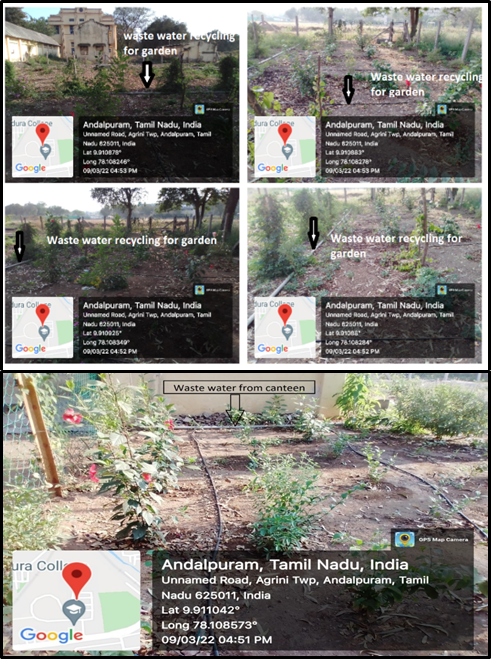
Waste water is properly collected and fed to the sewers. Waste water generated by RO Plant is used to recharge the open well in the campus. Waste water from sinks are used for gardening. The college is proposing to install a sewage treatment plant for liquid waste management and waste water recycling.
Plastic Free Zone
The College facilitates several techniques for the management of degradable and non-degradable waste. The primary focus is to reduce, reuse and recycle the waste, it was stressed that we should avoid plastic items to the best possible capacity. Our college has been declared as a plastic free zone.
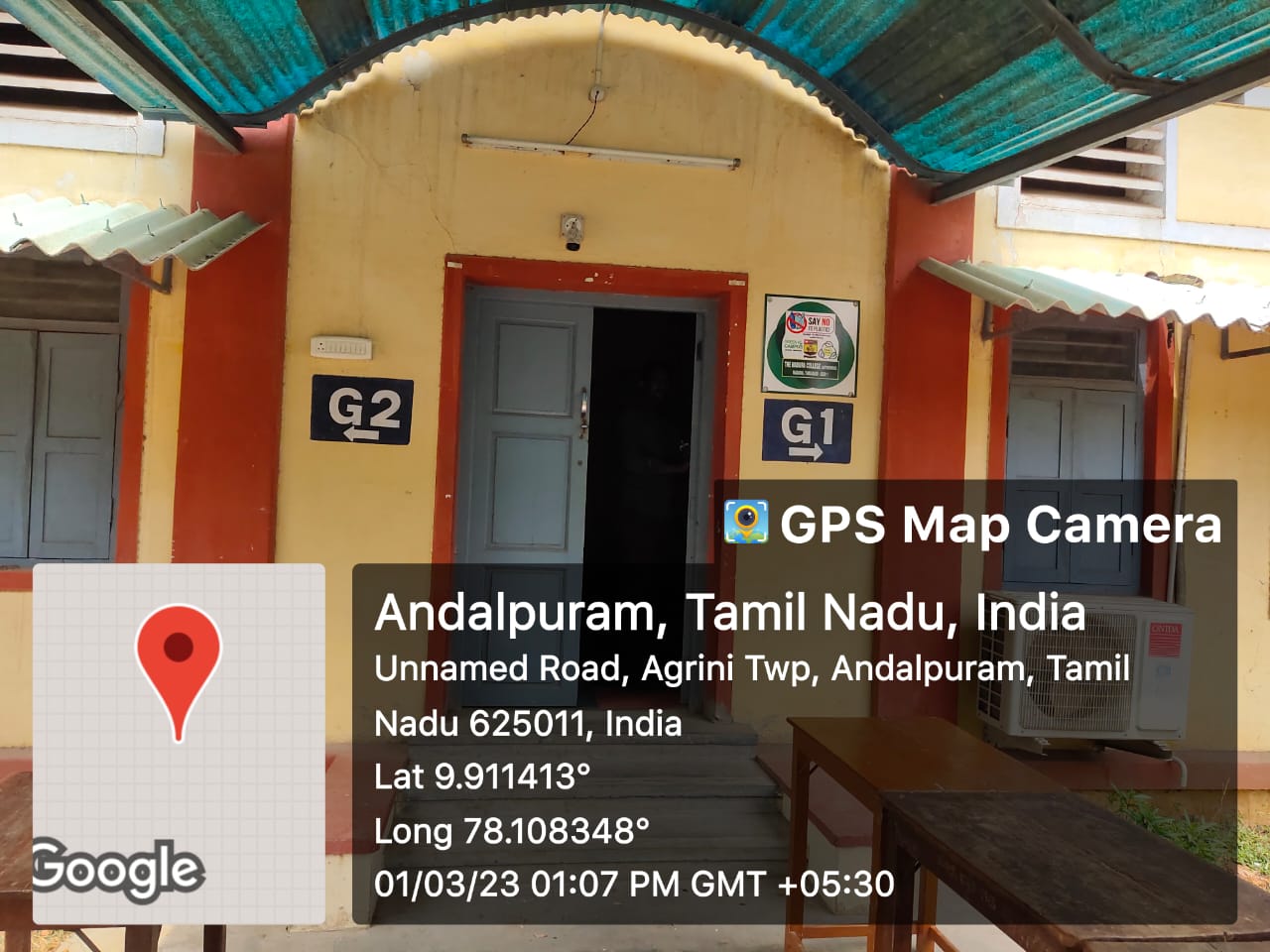
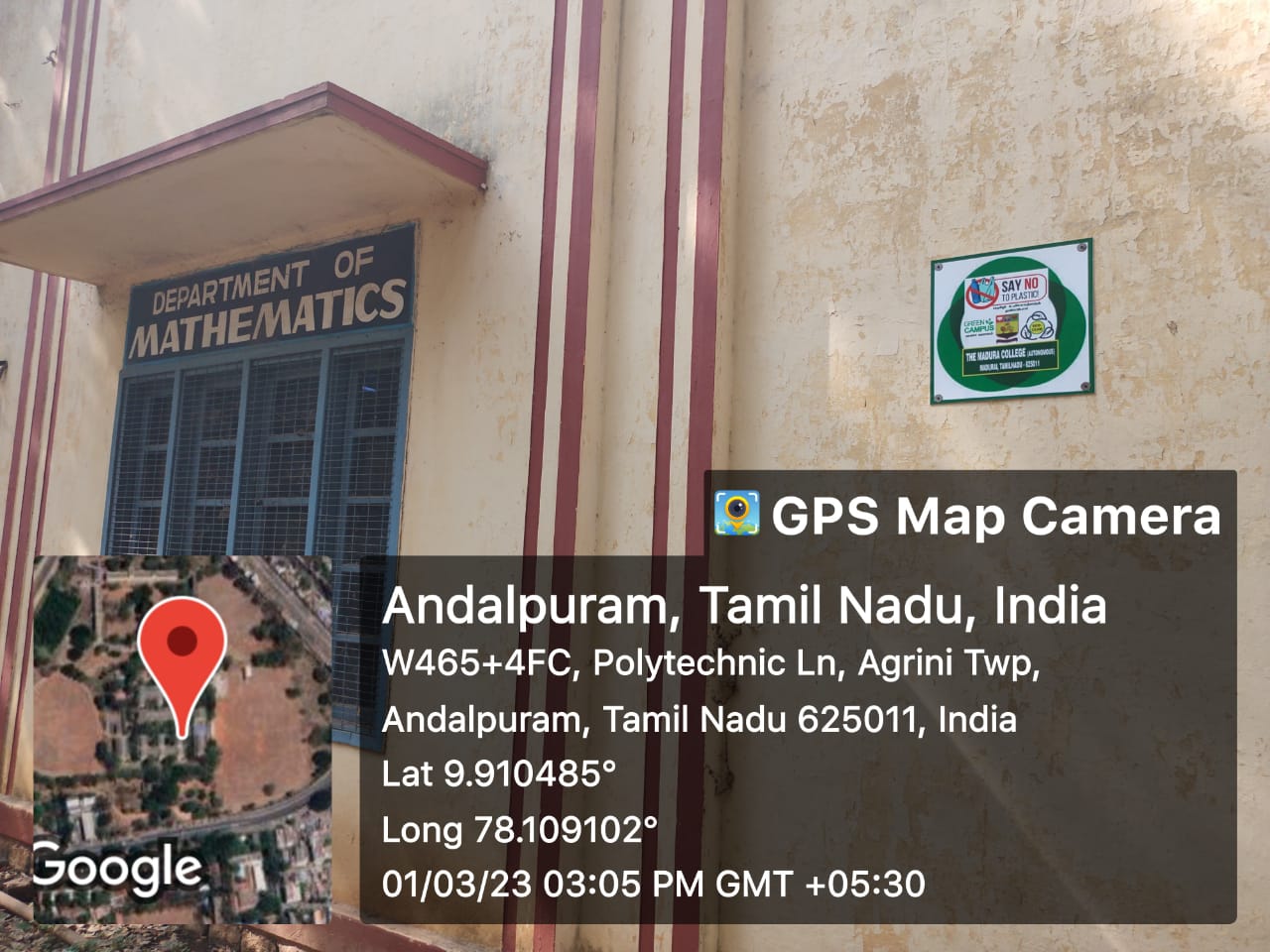
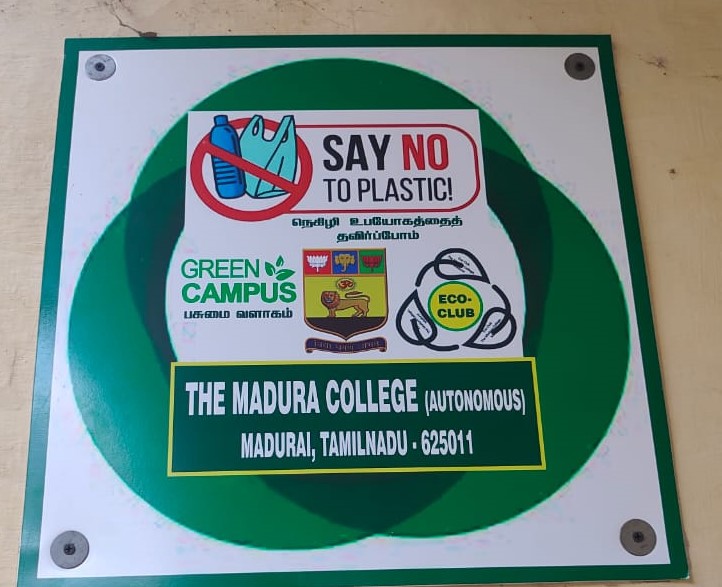
Hoardings promoting plastic free campus
Waste segregation bin
Waste segregation bins have been placed at prominent places in the campus to ensure that solid waste is segregated at source. The college uses vermicomposting technique to manage organic waste generated in the campus.
.jpeg)
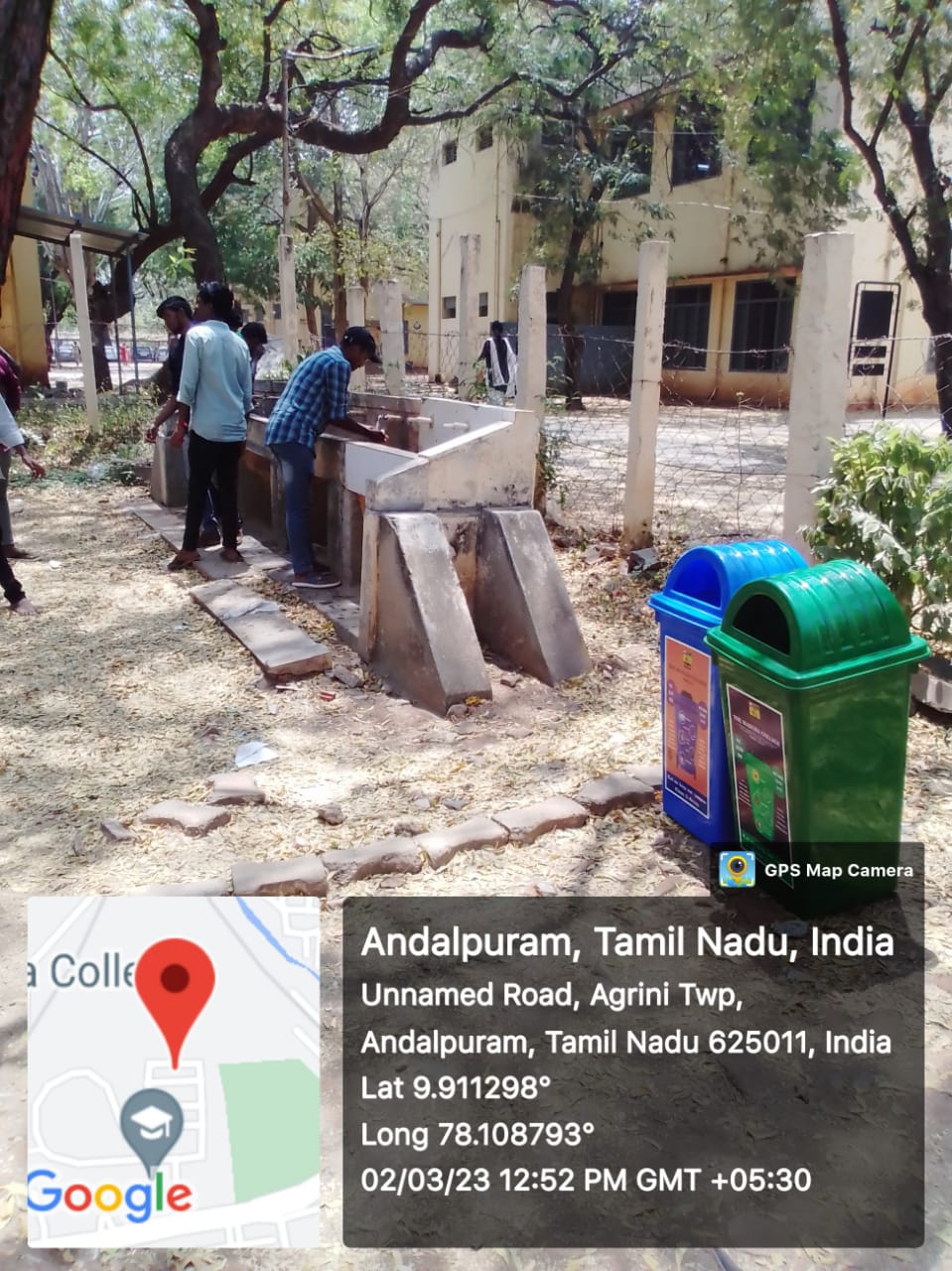
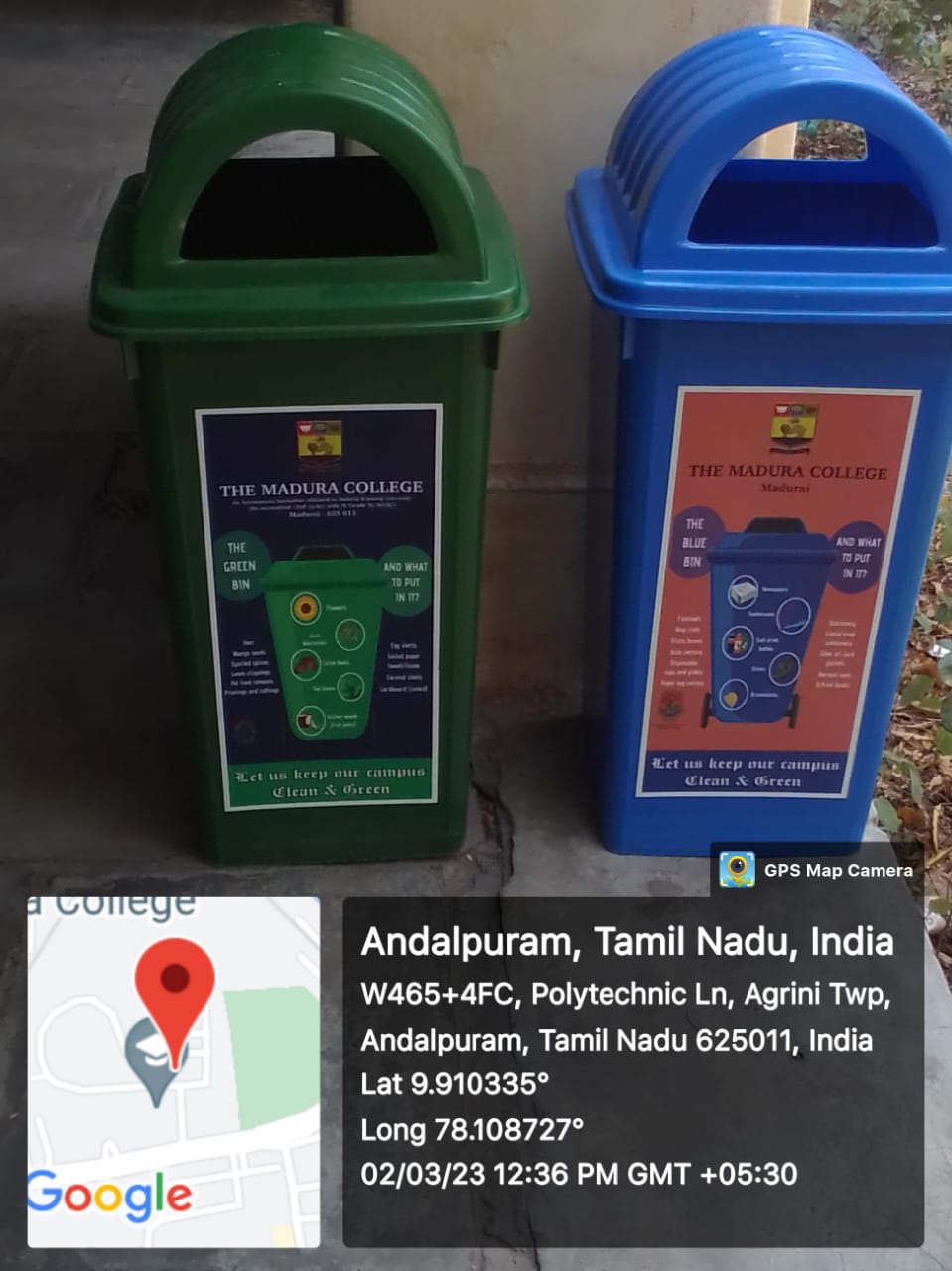
Waste segregation bins to collect solid waste in campus
Vermi-composting
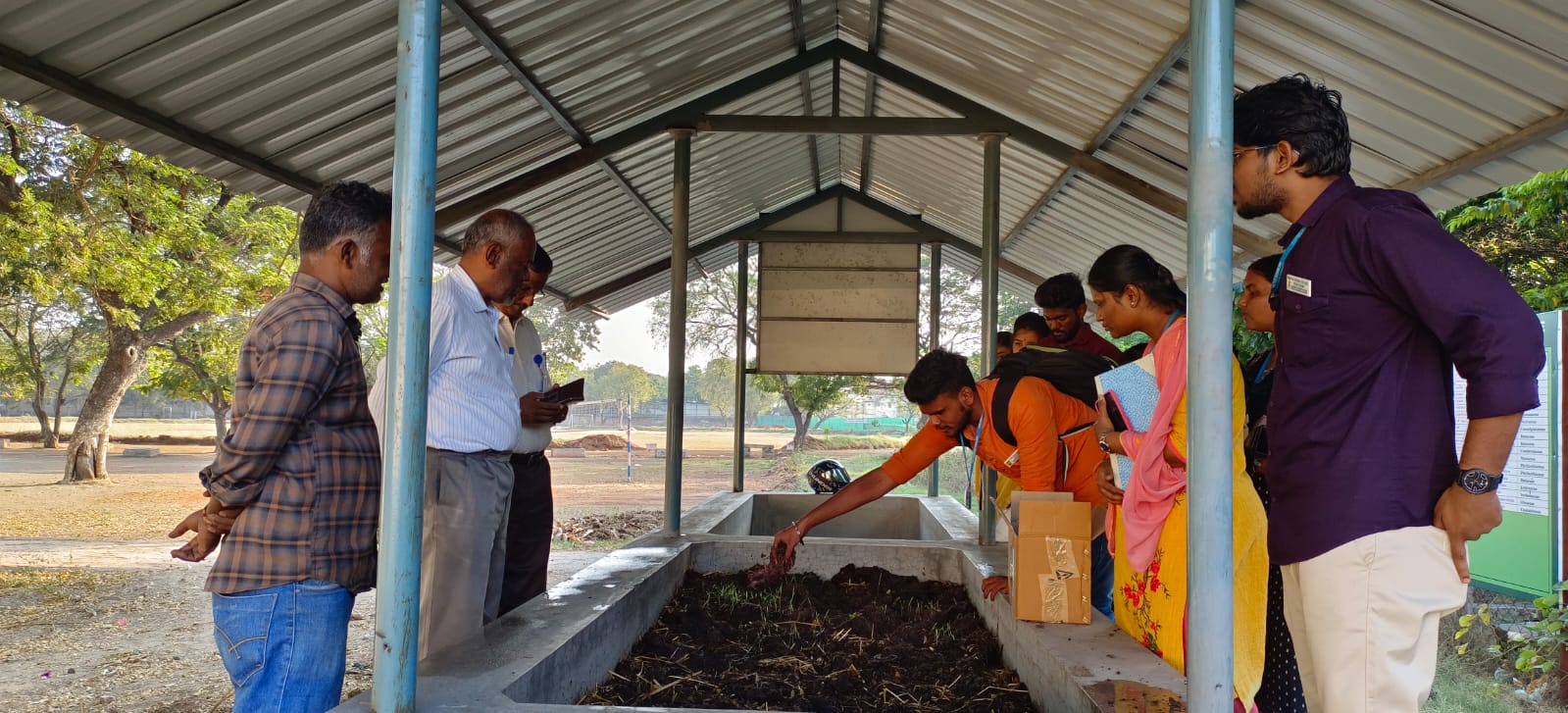
Vermicomposting, also known as worm composting, is the process of having worms to eat natural organic materials, such as waste from vegetables and fruits and then break them down through digestion. Once the scraps pass through their system, they excrete it in what's known as worm casting which are a rich, nutrient-dense materials that can turn soil into a paradise for plants. Its popularly called black gold.
The differences lie in the amount of time the two processes take, how and where they're done, and what their end results are. Worm compost has a much higher nutrient content than traditional compost. Composting is laborious layers of compost-pile requiring two weeks. Vermicomposting has more flexibility when it comes to weather and space requirements. Vermicomposting can be done indoors in an apartment, or in an open space.
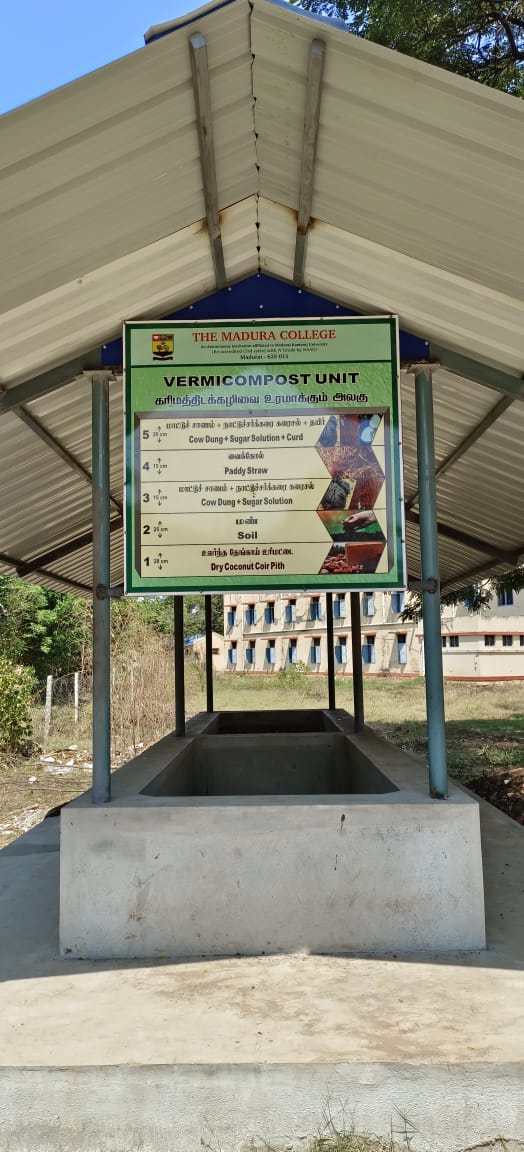
Dimension: 20 X 4 X 3.5 (in foot)
Benefits of vermicomposting
- It is Sustainable
- It makes soil a great medium.
- It's a chemical-free manure.
- Economically cheaper.
- Environment friendly.
- Self – reliant agriculture.
Procedure
- Dry coconut coir-waste filled up to 20 cm as a first layer.
- Above the coconut coir pith, Soil filled for a height of 25 cm.
- Cow-dung was added for a height of 5 cm and two litres of sugar solution was sprayed on it.
- Paddy-straw was spread over the bed for a height of 15 cm.
- Cow-dung was filled for a height of 25 cm and five litres of sugar solution & two litres of curd was sprayed.
- This set up was allowed for 14 days and water was sprayed twice a day.
- Five kilo grams of Earthworms were placed on the top it.
- After one week of a time worm castings started accumulating on the top.
- It takes about 45-60 days for the maximum conversion of organic wastes to black gold!
.jpeg) |
 |
 |
|
Liquid waste management
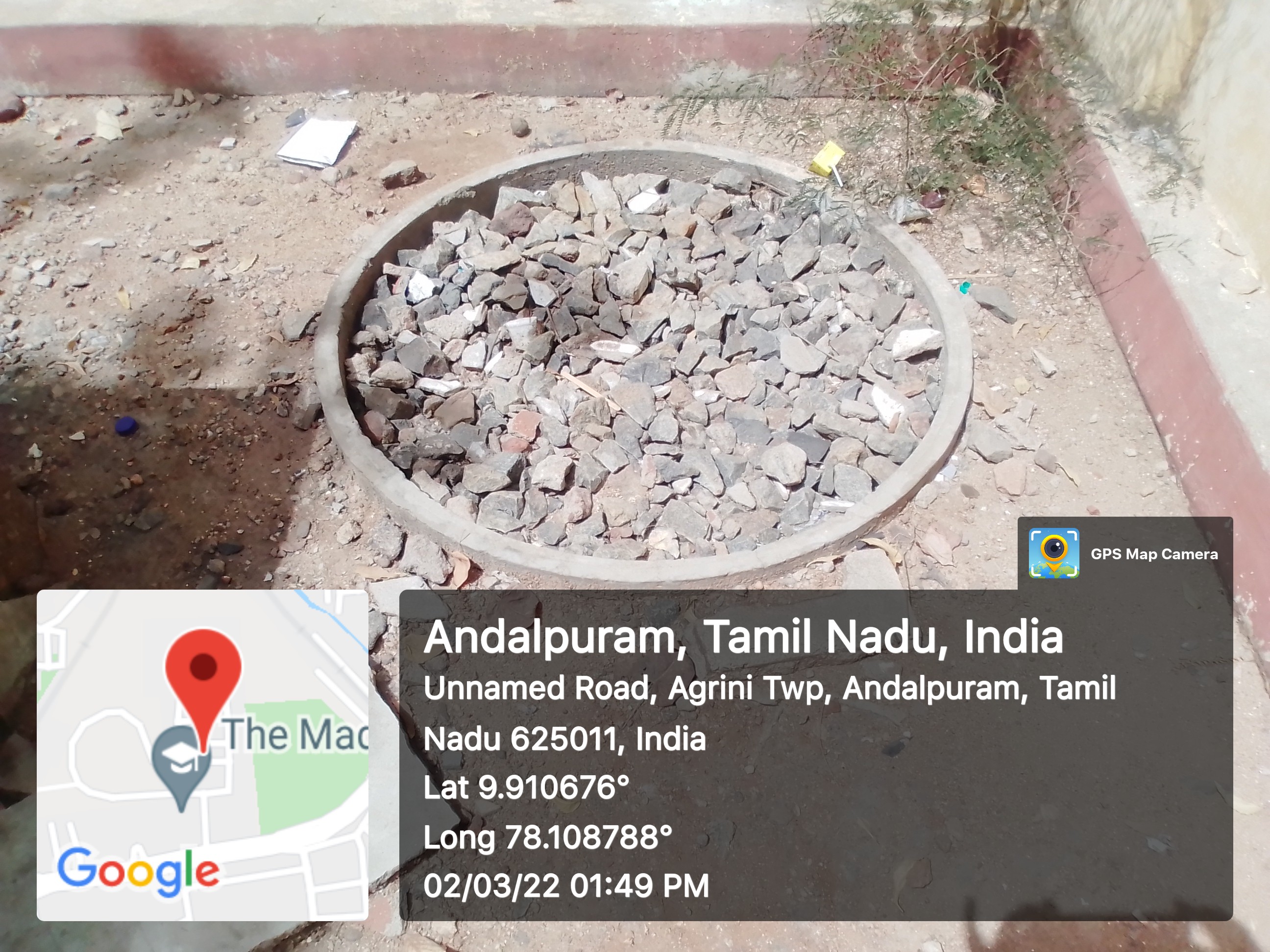
Proper sewage system is present in all the washrooms of the college, appropriate care is taken to see that there is no water stagnation to discourage mosquito breeding. The Liquid Waste from the labs is sent out through the sewage system without any danger of hazardous effects on environment. The rain water from the terrace of the college is used to recharge ground water with rain water harvesting system installed at all buildings. The waste water generated by RO plants is being channelized into the open pond in the college campus. The canteen waste is used to water the adjacent garden.
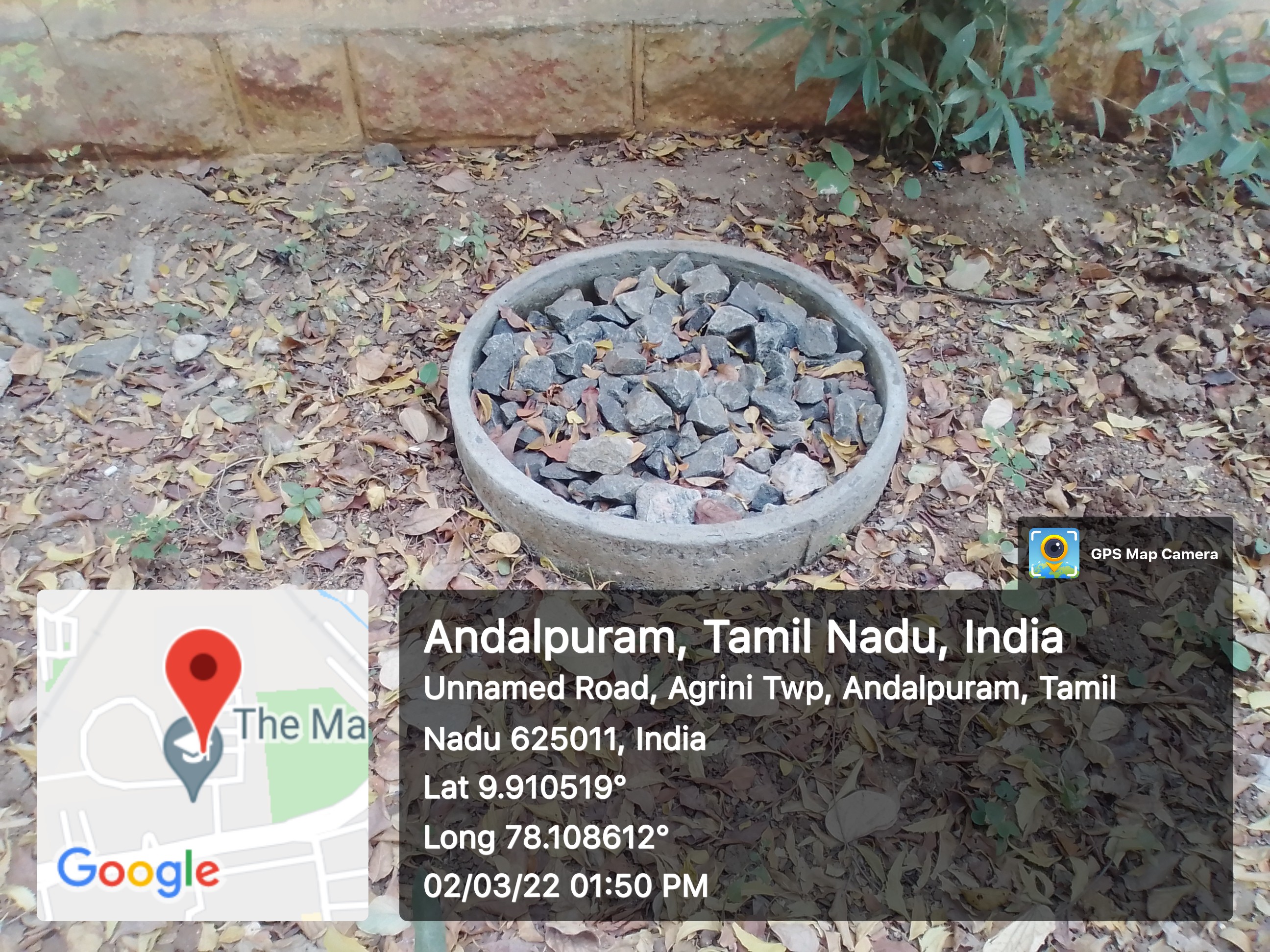
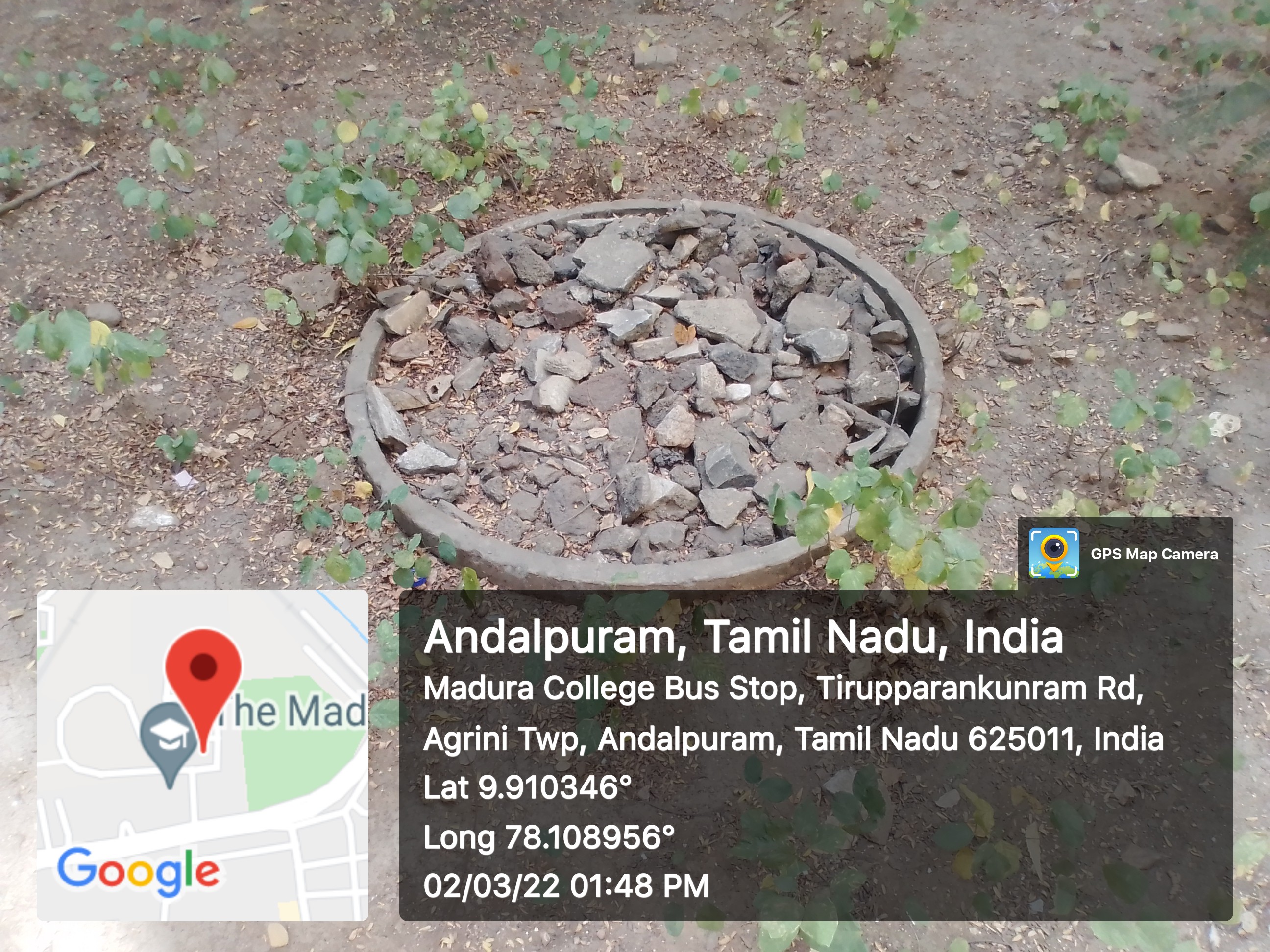
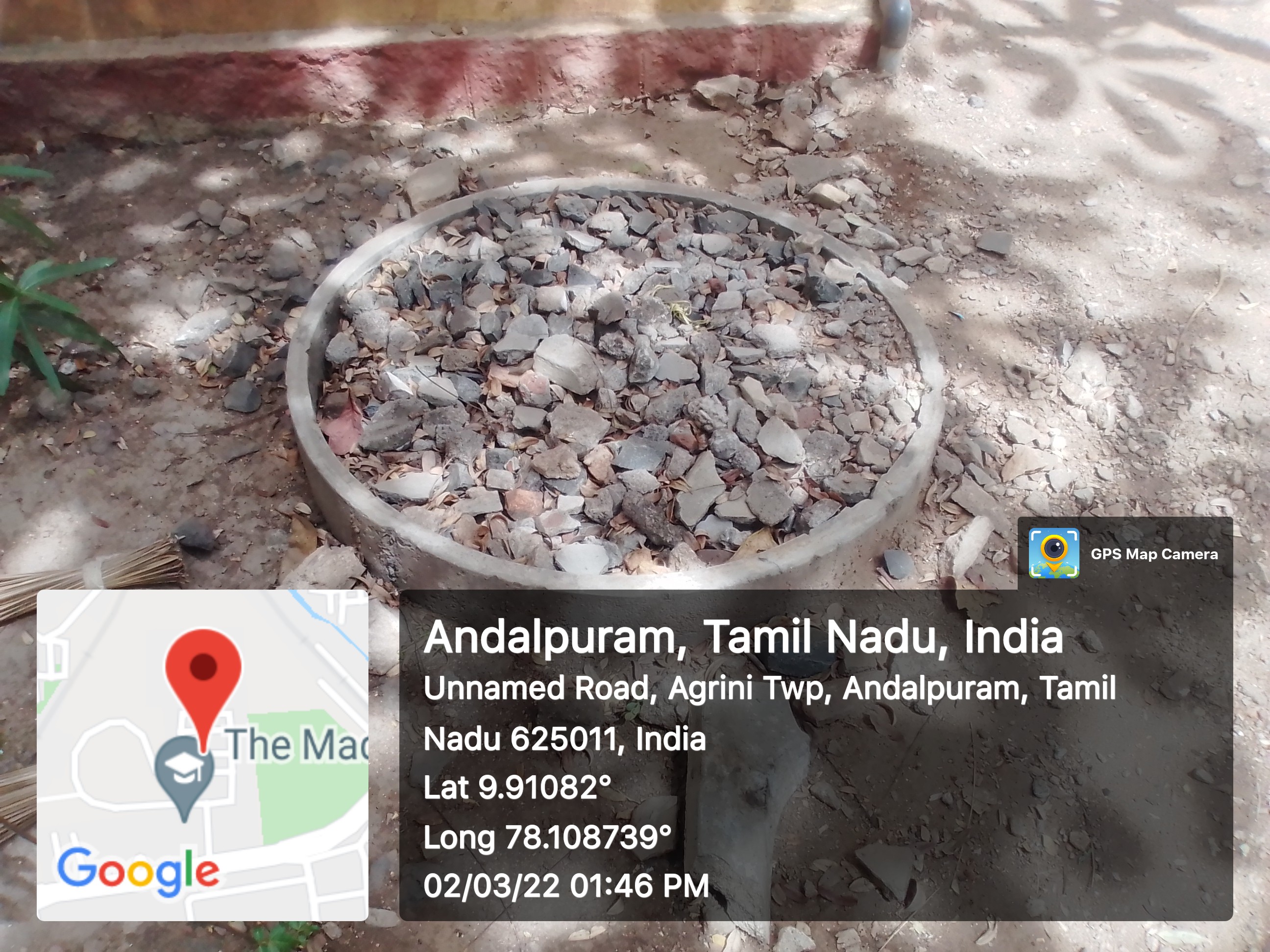
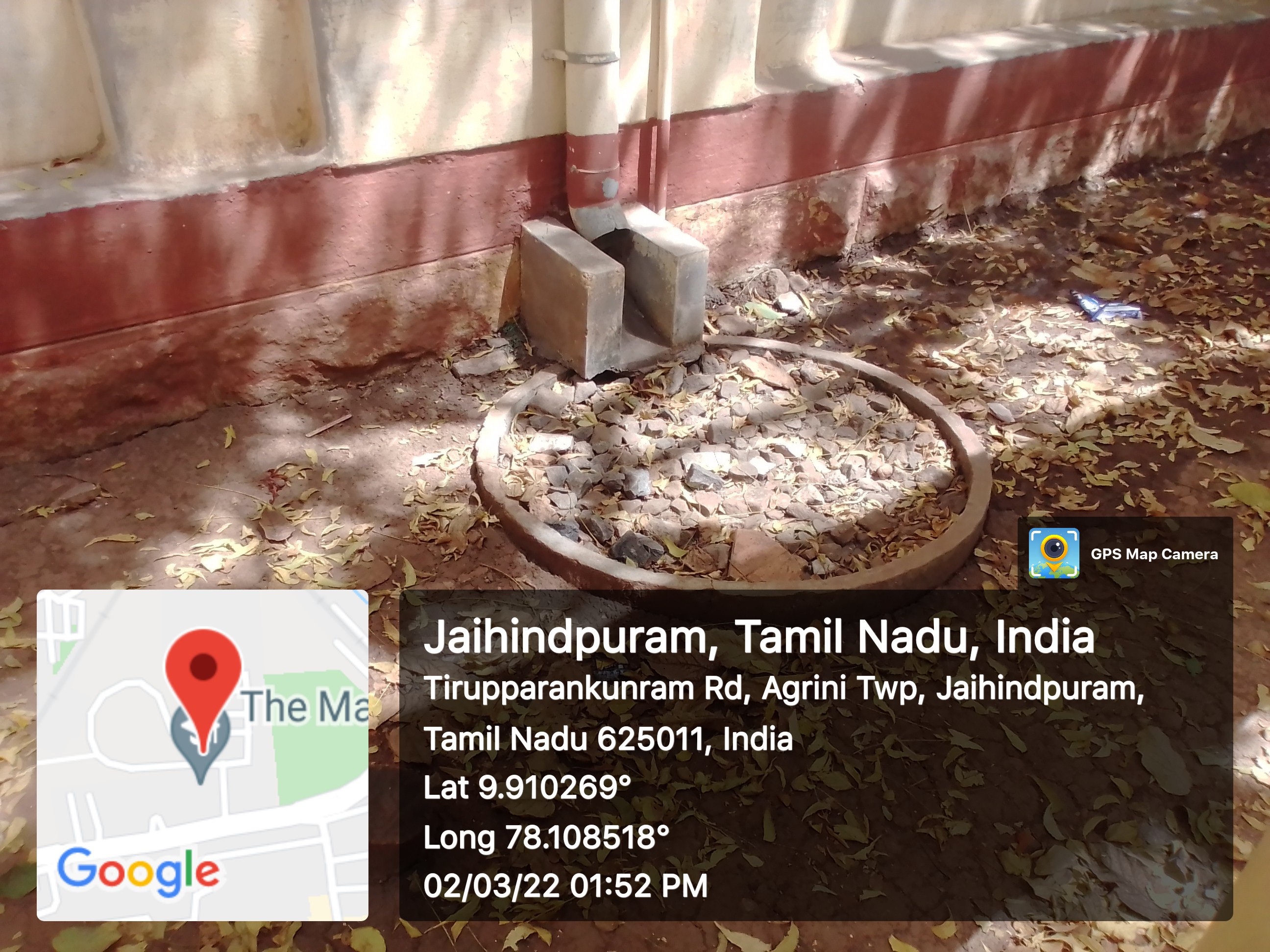
Rain water recharge
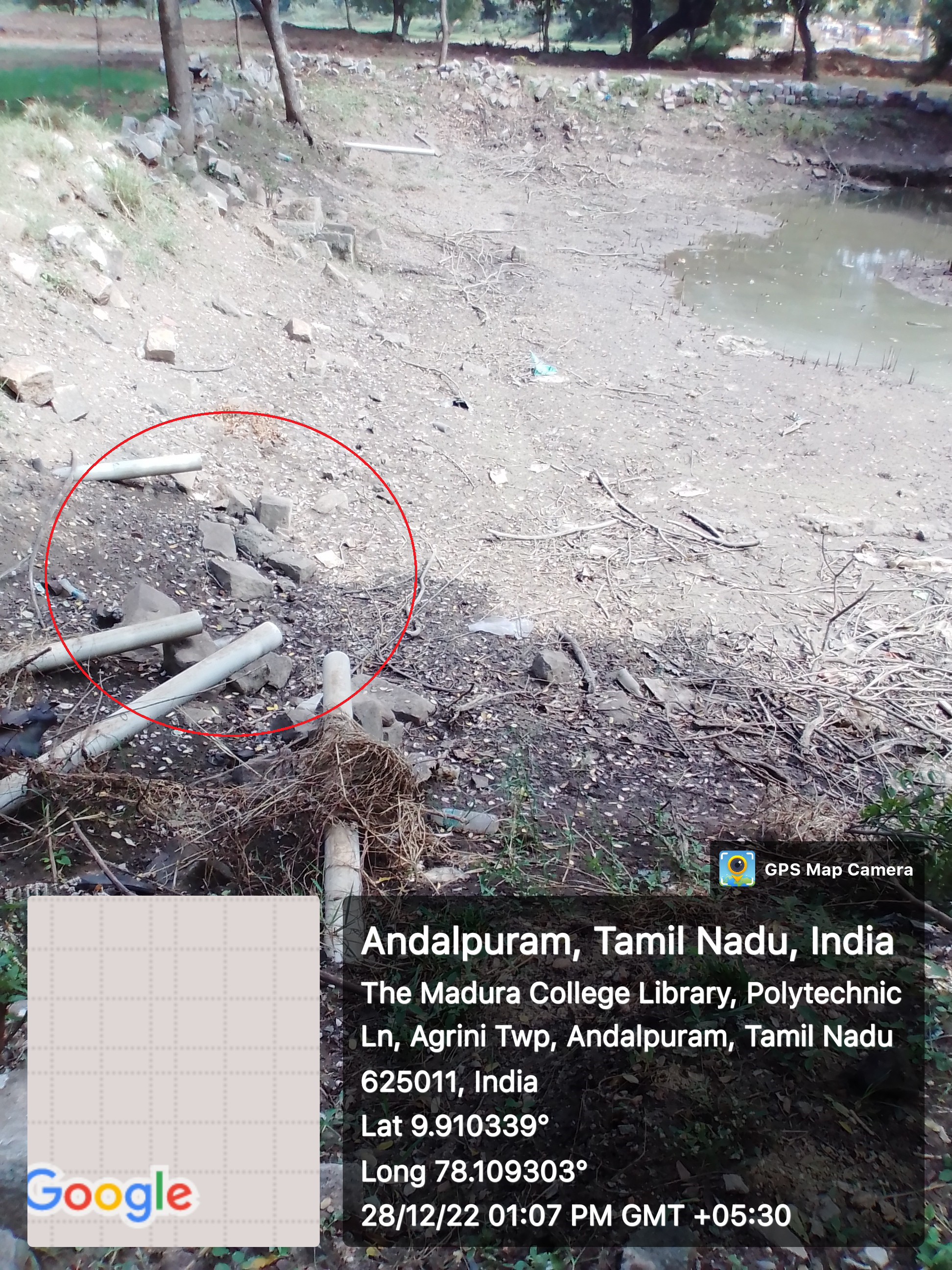
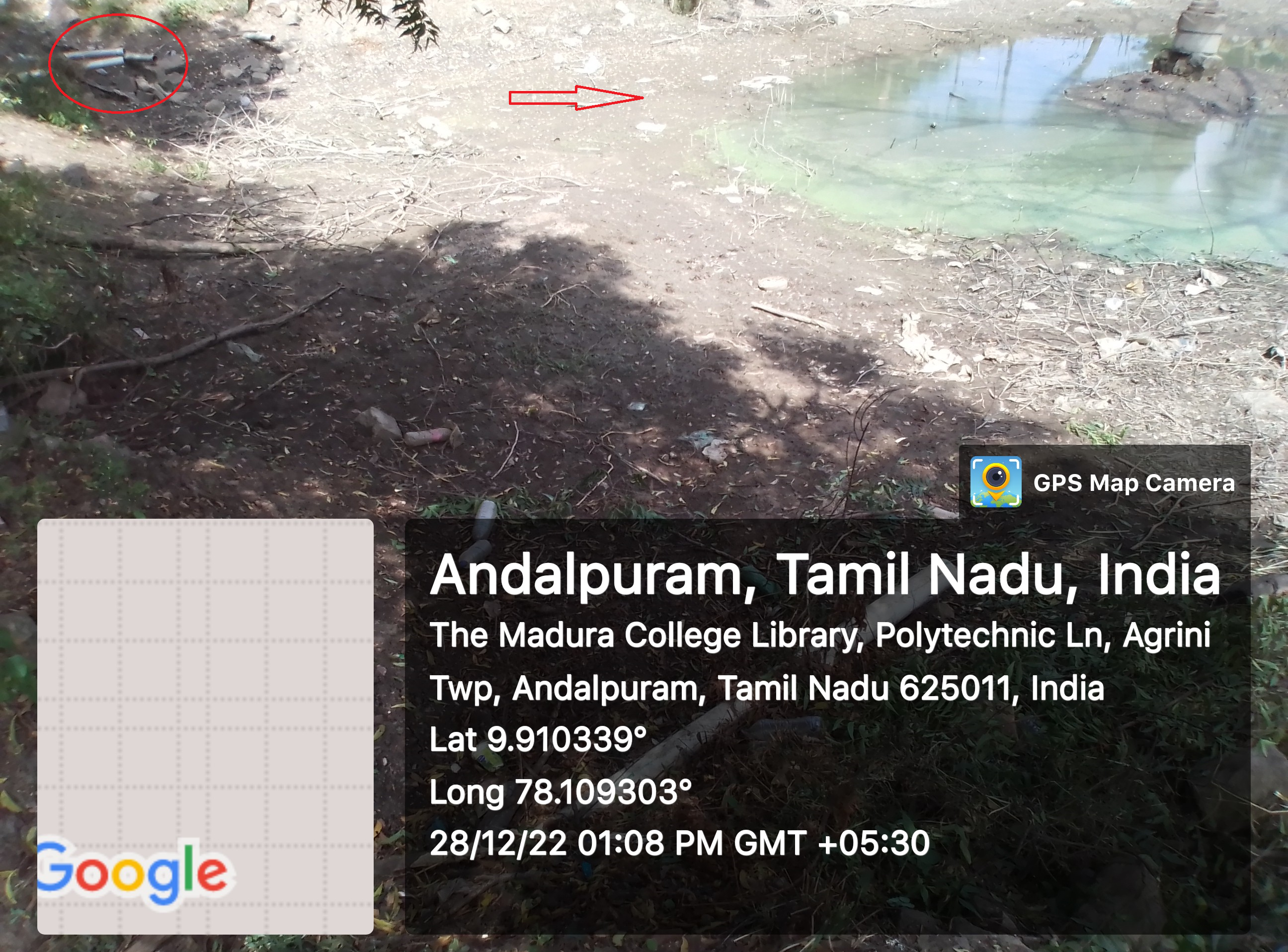
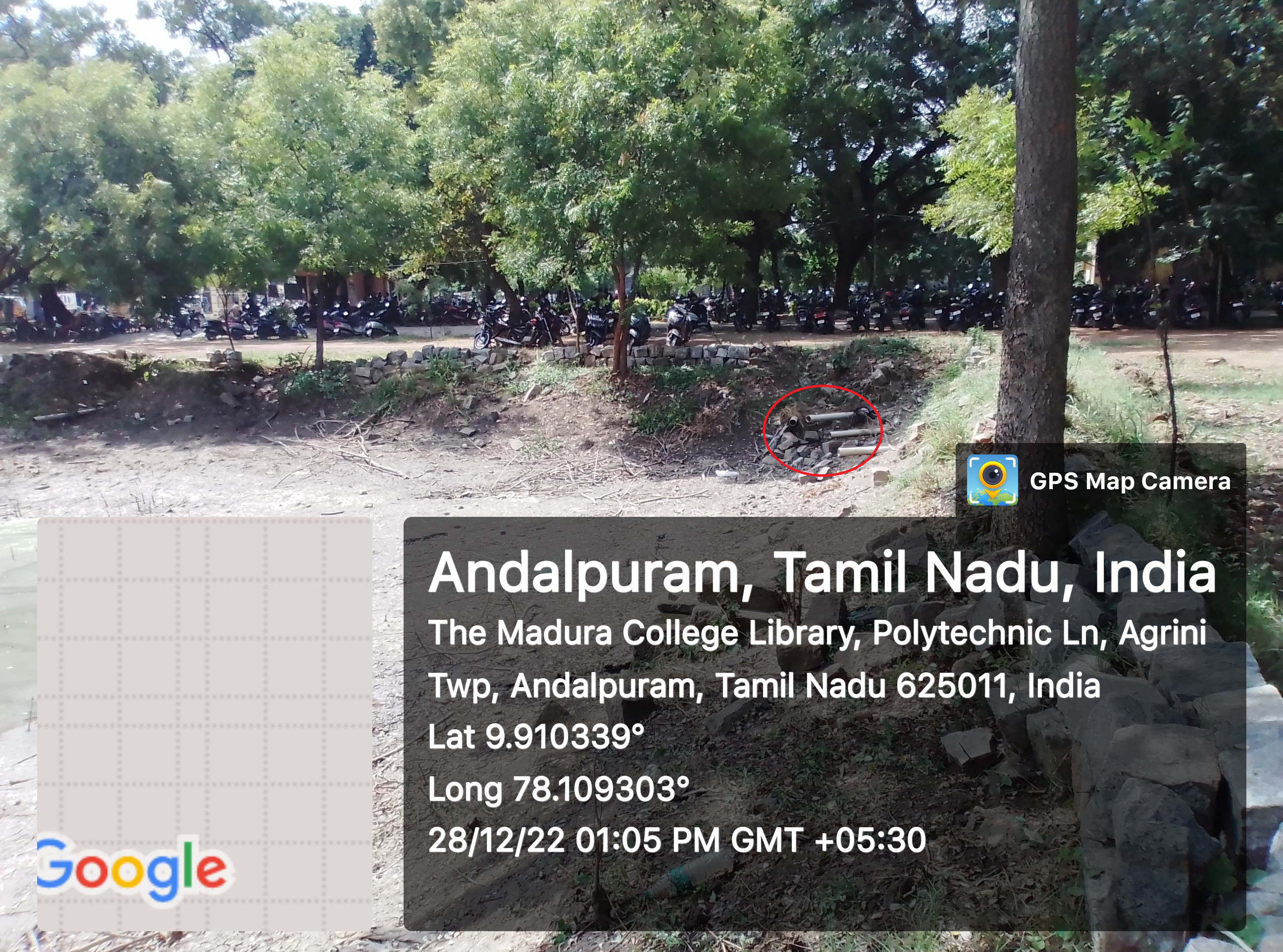
Waste water from RO being recharged to the pond